
The practice of creating Cillíní burial sites in West Cork arose from a combination of social, religious, and economic factors
In past times many families could not afford formal burials in consecrated ground, particularly for children who died at a young age. As a result, these small, informal burial sites sprang up, often located near churches or in remote rural areas. In Barryroe, the seventeen known cillíní serve as poignant reminders of the hardships faced by families during times of high infant mortality.
Here is a video of the Cillín at Donaghmore, Lislevane
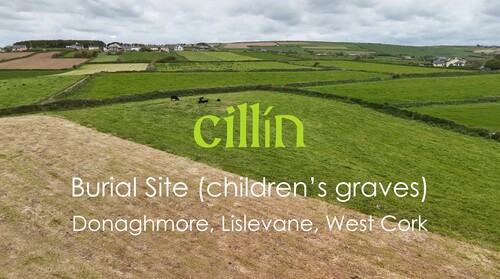 The Cillín at Donaghmore
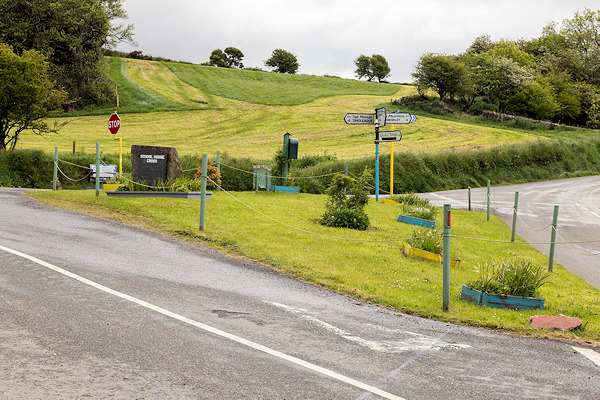 School House Cross (suggested as another possible Cillín in Barryroe)Cillíní were unofficial burial grounds where, from the 1500s to the early 20th century, the bodies of unbaptised babies, strangers, sailors, those involved in conflict, people who died by suicide, those with intellectual or physical disabilities and pregnant women (because they were carrying an unbaptised child) were interred. For expedience, in some instances, famine victims were also buried in cillĺnĺ.
Burials were always undertaken at night, under cover of darkness. Babies were buried by their fathers, assisted by male relatives and neighbours. It was also the men of the community who combined to bury those who were considered ‘other’ and therefore denied burial in consecrated ground.
To date seventeen cillíní have been identified in Barryroe parish:
- Ardgehane
- Ballinaifrinn Cross
- Ballinluig
- Ballylangey
- Ballylangey Fort
- Carrigeen
- Cnoc na Carraige
- Cuas Torainn in Dunworley
- Donaghmore
- Goff’s Cross in Cullenagh
- Killsillagh
- Lehenagh
- Lislevane
- Lislevane Cross
- Mounrua
- Norry’s Cross
- Shanagh
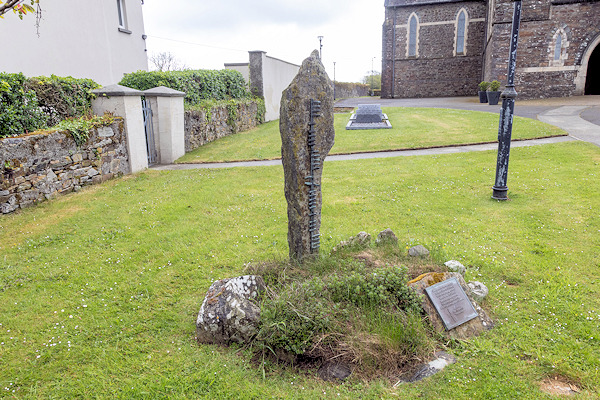 The Memorial for the Cillíní at Barryroe Church
The Cillíní Memorial at Barryroe Church
Memorialising those who were excluded from consecrated ground in the environs of the parish church is a powerful statement. It is a declaration that those whose sad burials took place in secret, in lonely abandoned places and at night have, at last, been gathered into the heart of this Christian community.
The memorial erected in the grounds of this church to those buried in cillĺnĺ consists of a central stone inscribed in Ogham – ancient Irish script - with eighteen smaller stones surrounding it. The large stone represents the headstone that normally marks a grave, while the surrounding stones represent the seventeen cillĺnĺ in this parish, with an additional stone to remember those who were buried outside the parish. The Ogham inscription, which should be read from the bottom up, means ‘Suaimhneas’ which translates as ‘Eternal Rest’.
A video about the Cillíní in West Cork
On Friday 15 May 2026 local historian William Casey gave a talk hosted by the Timoleague Historical Society on Cillíní in West Cork.
William contributed to this 7-minute video...